Termite Damage vs. Water Damage: How To Tell the Difference
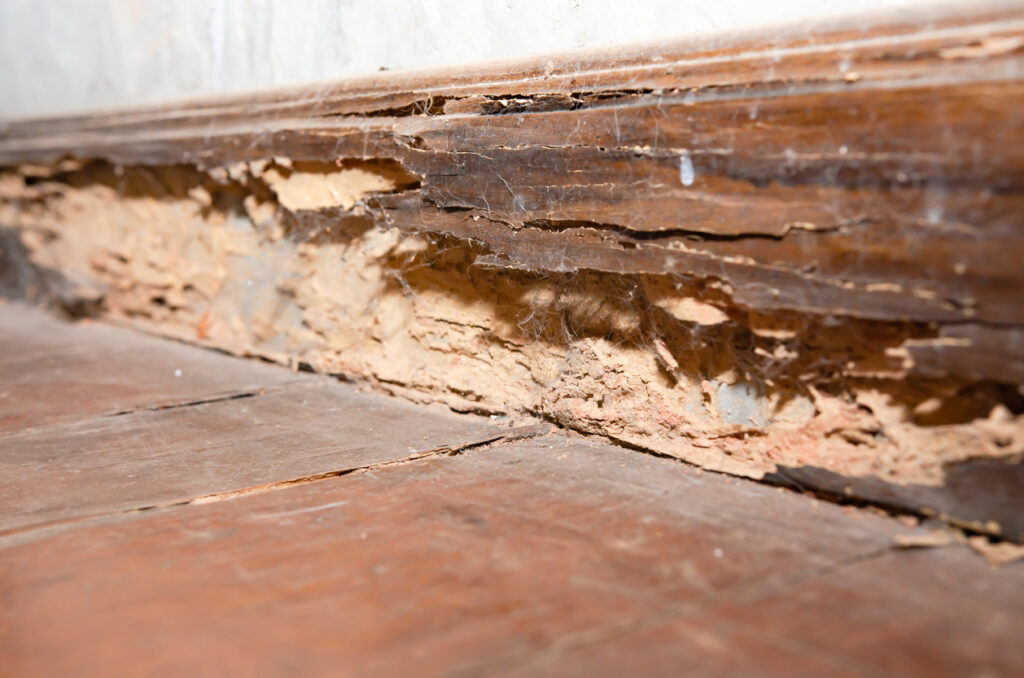
Many homeowners notice bubbling paint, soft wood, or sagging floors and assume a plumbing leak is to blame. In reality, those same warning signs can also point to termites. Knowing the difference early can help you address the right problem before the damage becomes more extensive.
Learning to recognize these differences can help you better understand what you’re seeing and when it’s time to contact a professional from Greenix Pest Control.
Why Termite Damage and Water Damage Look So Similar
One reason termites and water damage are often confused is that both problems can remain hidden for a long time. Water may spread behind walls or beneath flooring after a leak, while termites feed inside wood long before the surface begins to show damage. By the time homeowners notice something unusual, the underlying problem may already be well established.
Many of the first signs of termite damage look similar to signs of water damage, especially when paint begins to bubble or wood starts to soften. Because termites feed inside wood rather than on its surface, early termite damage often goes unnoticed until someone takes a closer look.
What Does Termite Damage Look Like?
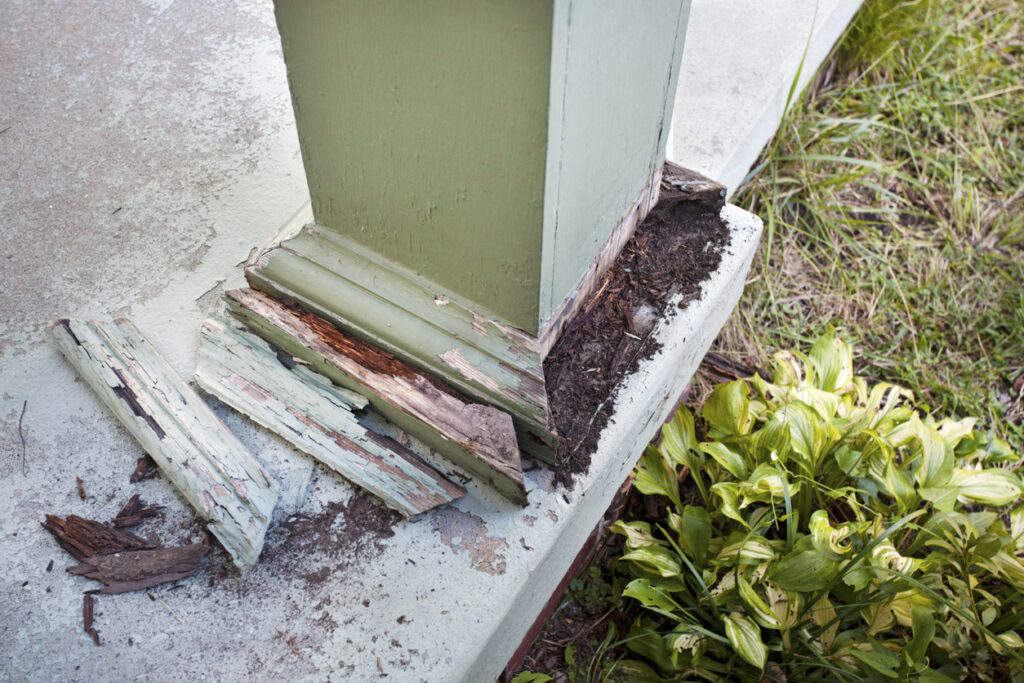
The first visible signs of termite damage often appear after insects have been active for some time. Instead of leaving obvious holes, termites weaken wood from the inside until damage becomes visible on the surface.
Common signs of termite wood damage include hollow-sounding wood, blistered paint, mud tubes along foundations, and small piles of frass left behind by drywood termites. In some homes, termite-damaged drywall may appear as tiny pinholes or slight bulges caused by activity behind the wall.
Not every crack, stain, or soft spot points to termites. Looking at the location, pattern, and condition of the damage can help distinguish termite activity from moisture-related problems before repairs begin.
Signs That the Damage Is Actually Caused by Water
Water damage usually develops around a specific source of moisture, such as a plumbing leak, roof leak, or poor ventilation. Over time, affected materials may become swollen, stained, or remain damp long after the surrounding area has dried.
One of the clearest differences is that moisture-related damage typically stays close to the source of the leak instead of spreading through nearby materials. Some of the most common signs of water damage in walls include discoloration, peeling paint, and soft drywall concentrated around the affected area.
Termite Damage vs. Wood Rot: They’re Not the Same Problem
Wood rot and termite damage have different causes, even though both can weaken wooden structures. Wood rot develops when moisture allows fungi to break down the wood, while termites cause damage by feeding on it.
In some cases, both problems can appear in the same area because excess moisture creates conditions that encourage fungal growth and attract termites. Identifying the source of the damage before making repairs can help you choose the right solution.
Where Termites Usually Cause Damage First
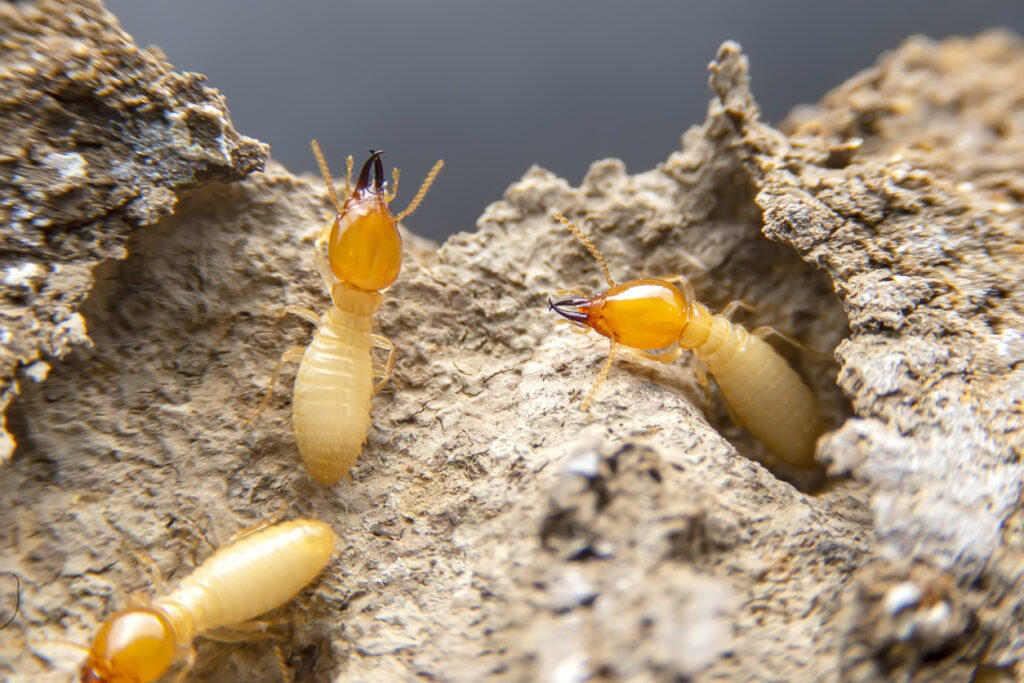
Termites rarely appear in random areas of a home. They usually begin in places where wood stays undisturbed or has direct contact with moisture or soil, making those areas a good place to inspect first.
Pay close attention to:
- Baseboards, where the first signs of termites in baseboards may become visible
- Interior walls, especially if you notice signs of termites in the walls
- Door and window frames
- Crawl spaces
- Wooden support beams
- Areas where wood comes into direct contact with the soil
Finding damage in one of these areas doesn’t confirm termite activity on its own, but it does deserve a closer inspection.
Help Prevent Future Termite Damage With Greenix Pest Control
Reducing the risk of termite damage starts with taking action before termites have the opportunity to settle in. Regular prevention can help address conditions that make your home more attractive to these pests over time.
Greenix Pest Control offers termite prevention services designed to help reduce the risk of future termite activity. If you’d like to learn more about our approach, contact us online or visit our FAQ page for answers to common questions about our services.